Have you ever made a cup of tea with a sachet from the supermarket and felt a bitter, astringent aftertaste that only goes away with a lot of sugar? If the answer is yes, you are not alone.
Many people believe they don’t like tea, when in fact, they’ve just never tried real tea.
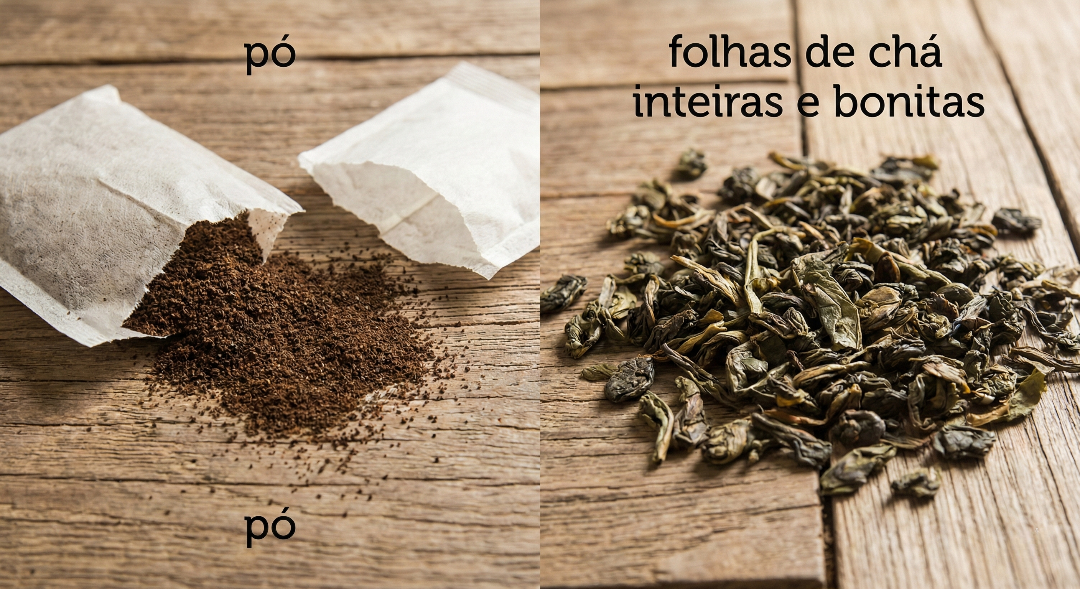
There is a world of difference between the powder hidden inside an industrial sachet and the whole leaves of traditional Chinese tea. Today, we’ll explain why switching to loose tea (leaf tea) is the best decision you can make for your taste buds and your wallet.
The Myth of “Tea Powder” (Fannings)
The great secret of the pasta industry is the quality of the raw material. To fill millions of sachets at low cost, we often use what we call “Dust” (powder) or “Fannings”. Basically, it is the remains, broken leaves and tiny particles that are left after selecting high-quality tea.
When the leaf is crushed in this way, it releases tannins very aggressively and quickly. Result? That immediate bitter and dark taste that “dries” your mouth.
On the other hand, whole leaf tea (Whole Leaf) preserves the integrity of the plant, releasing the flavor in a gradual, sweet and complex way.
1. Flavor and Aroma: Where Are the Essential Oils?
The flavor of tea lies in its essential oils. These oils are volatile and delicate. When a tea leaf is chopped into tiny pieces to fit into a tea bag, the surface area in contact with air increases drastically, causing those precious oils to evaporate long before the tea reaches your cup.
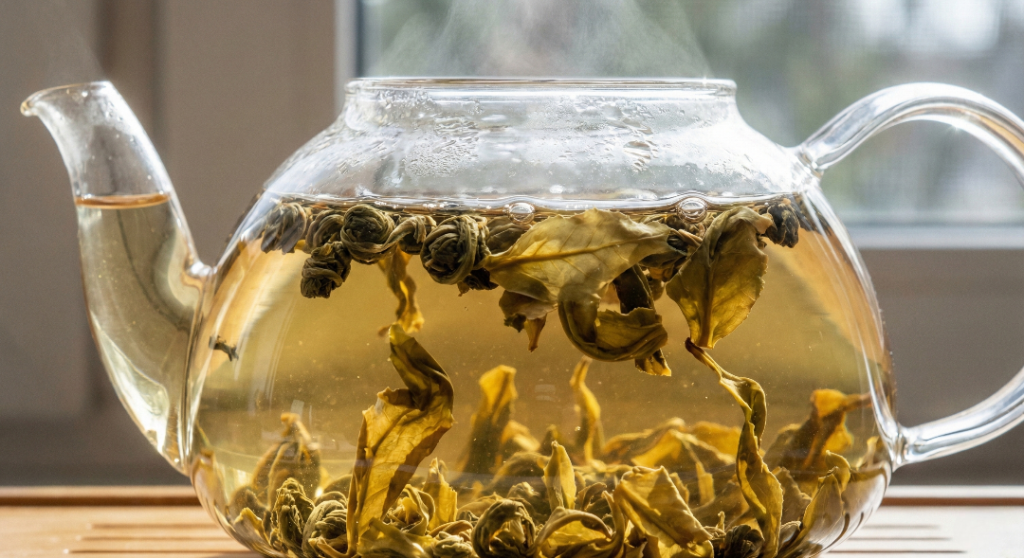
In loose tea, the leaf remains intact and curled. It only “opens” and releases the aroma when it comes into contact with hot water. It’s a completely different sensory experience.
2. Health Benefits
Tea is famous for its antioxidants (such as catechins). However, the tea powder in the sachets, as it is so fragmented, undergoes a very rapid oxidation process upon contact with air, losing much of its beneficial properties.
By opting for whole leaves, you are consuming a product that better retains its nutrients, vitamins and natural antioxidants.
3. The Economy: Is Loose Tea Cheaper?
It may seem contradictory. A packet of loose tea costs more up front than a box of tea bags at the supermarket. But let’s do the math.
One sachet is for one use only. Quality Chinese tea (such as Oolong or Pu-erh) allows you to make multiple infusions (the re-steeping method).
- With 3 to 5 grams of leaves, you can make 3, 4 or even 5 pots of tea.
Quality leaves continue to release flavor the second, third and fourth time you add water. If you calculate the “price per cup”, high quality loose tea often ends up being more economical than “premium” tea bags.
Is It Difficult to Prepare? (Spoiler: No!)
Many people are afraid to change because they think loose tea requires complex rituals. That’s not true. To begin with, you don’t need a complete Gongfu Cha ceremony.
You only need:
- Hot water.
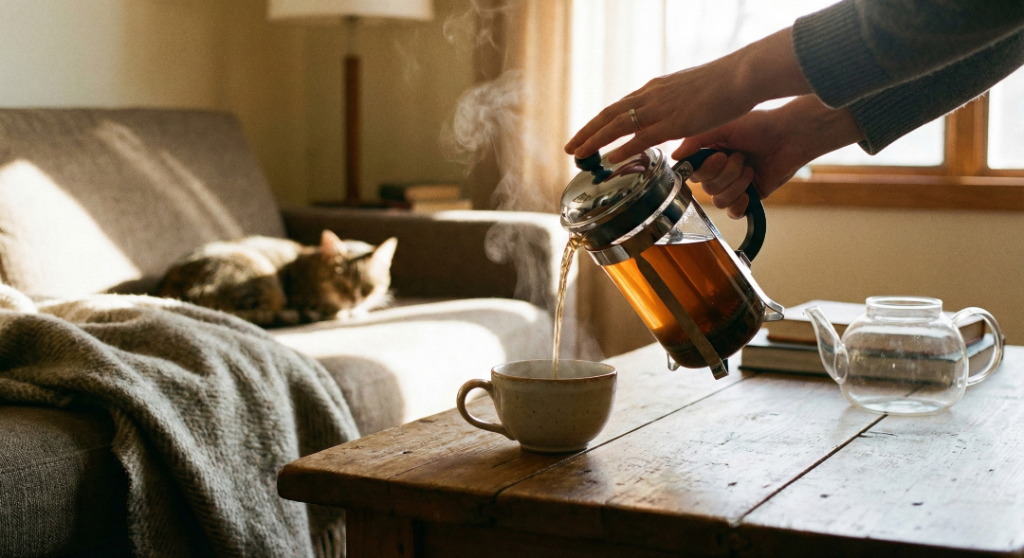
- A simple teapot with filter, an infuser ball or even a French Press that you have at home.
Just add the leaves, add water, wait 2 or 3 minutes and serve. It’s as simple as that, but the result is infinitely superior.
Conclusion
Life is too short to drink bitter tea. Switching to loose tea is a small gesture that transforms an ordinary drink into a moment of daily pleasure.
If you still don’t know where to start, we recommend trying something soft and aromatic.
Ready to discover the true taste of tea? 👉 Try our Starter Kit or start with our classic Premium Green Tea.